Intern Project – Bat Box
Blog post by ACG Horticulture Intern Eileen Herrera Carballo
To me, public gardens are special oases of knowledge in an urban landscape; a place where any visitor can get a close up look of all the small forces that work together to make a bigger picture. Allen Centennial Garden has its own ecosystem, and my goal when I was given the opportunity to help the garden grow was to highlight a part of this ecosystem that can be hard to notice, that being the diverse bat population here in Madison.
Wisconsin is home to eight different species of bats, all of which are insectivorous. Here, they play an important role in managing ecosystems as they act as a natural form of pest control. This can be incredibly helpful in agricultural settings as it reduces the need for pesticides. Furthermore, little brown bats can consume about a thousand mosquitoes in one hour; imagine the difference a local bat colony could make in a garden space!
Madison is home to at least seven out of the eight Wisconsin bat species. Not only do they roost all over the Lakeshore Nature Preserve, they also have a tendency to find their way into our backyards, homes, and buildings. White Nose Syndrome and other factors such as climate change and habitat loss are endangering our bat populations. Our environment is changing faster than bats can keep up, and this is why it’s important to make spaces for them in our lives and outdoor spaces.
With all of these thoughts in mind, I decided to pursue a project which could benefit the ecosystem of Allen Centennial Garden: a Garden Bat Box! My hope was to simultaneously expand the discussion about bats in our community while providing a suitable place for these important critters to (hopefully) roost after they emerge from hibernation. Big brown bats, Eptesicus fucus, or little brown bats, Myotis lucifugus, are the most likely to move into our box, but this could take a couple of years.
The Garden Bat Box Project was a very lofty goal for me; as an aspiring botanist, my experience with both construction and mammals was very minimal. However, I have had plenty of support from the Wisconsin Bat Project in the Department of Natural Resources and the UW Bat Brigade, a community driven science initiative to monitor the bat populations of the Lakeshore Nature Preserve. I attended a presentation about the bats of Wisconsin by Jennifer Redell, a bat biologist from the Department of Natural Resources. It was there where I learned all of my fun new bat facts like how bats make up one fifth of all mammal species! Additionally, Jennifer led a bat walk and mist netting demonstration. While we didn’t catch any bats in our net (they were too smart to fall for it), I was able to get my first real look at a bat in flight during the walk!
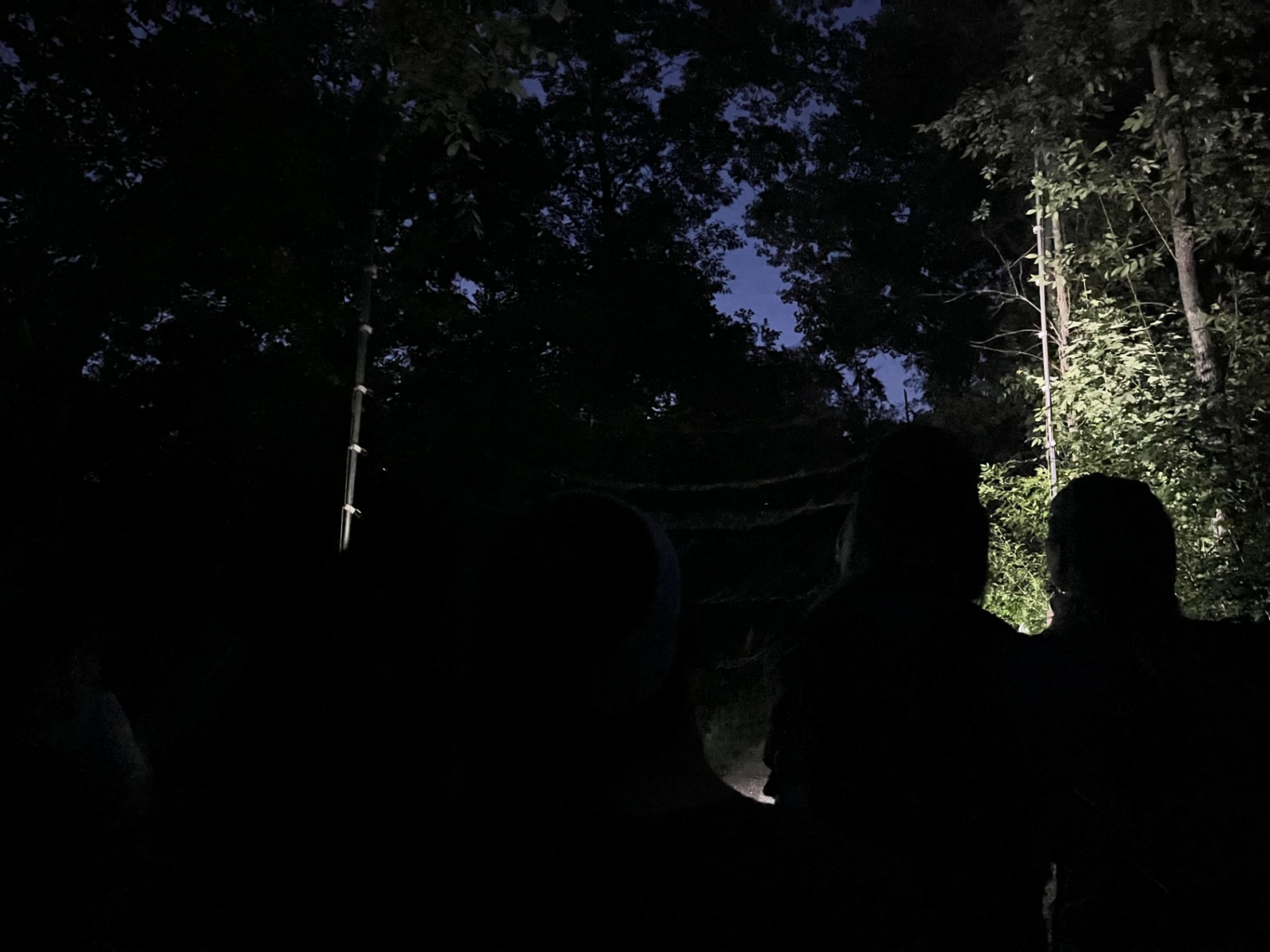
At the beginning of the summer, I spent days deciding the model of bat house best suited for the garden and even more time picking the right spot; finally, I landed on a multichambered maternity box along the West hillside of the Garden. My choice was made with the purpose of creating many micro-climates within the box to give any bats who might roost there additional assistance in regulating their body temperatures! There are quite a few criteria to picking a good spot, like ensuring that the box is facing East or South for plenty of sun, a suitable distance from a treeline to reduce presence of predators such as owls or hawks, and ideally 10-15 feet high.
![Multichambered bat house blueprints.]](https://allencentennialgarden.wisc.edu/wp-content/uploads/sites/293/2026/10/image.png)
Once you learn about bats, it’s easy to fall in love with them. The real hidden challenge of this project has been the physical construction of the bat box and post. I was lucky enough to have a neighborhood dad lend me his tools and expertise during the parts involving heavy machinery whilst being quizzed on how much length you lose when you make a cut (it’s ⅛ of an inch).
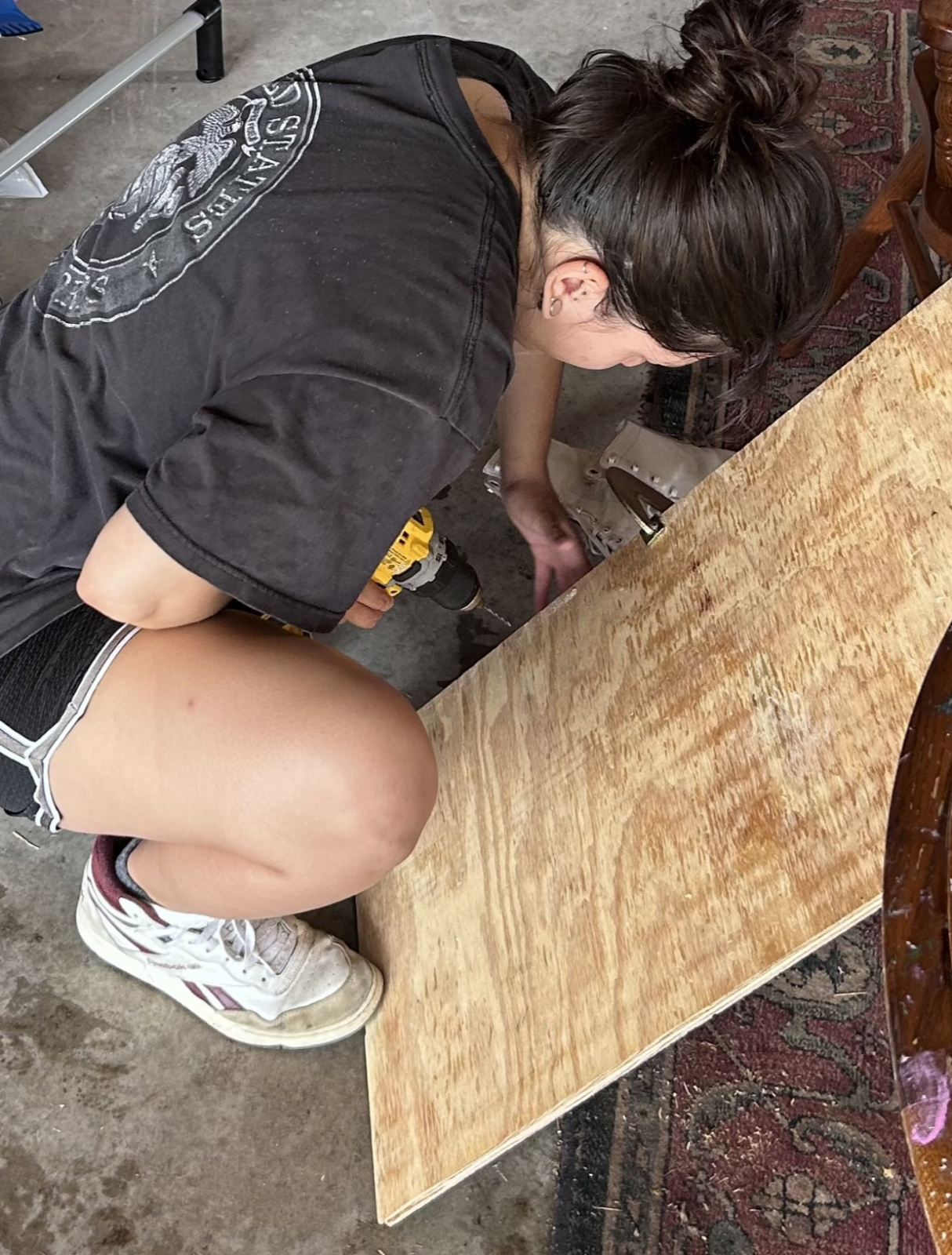
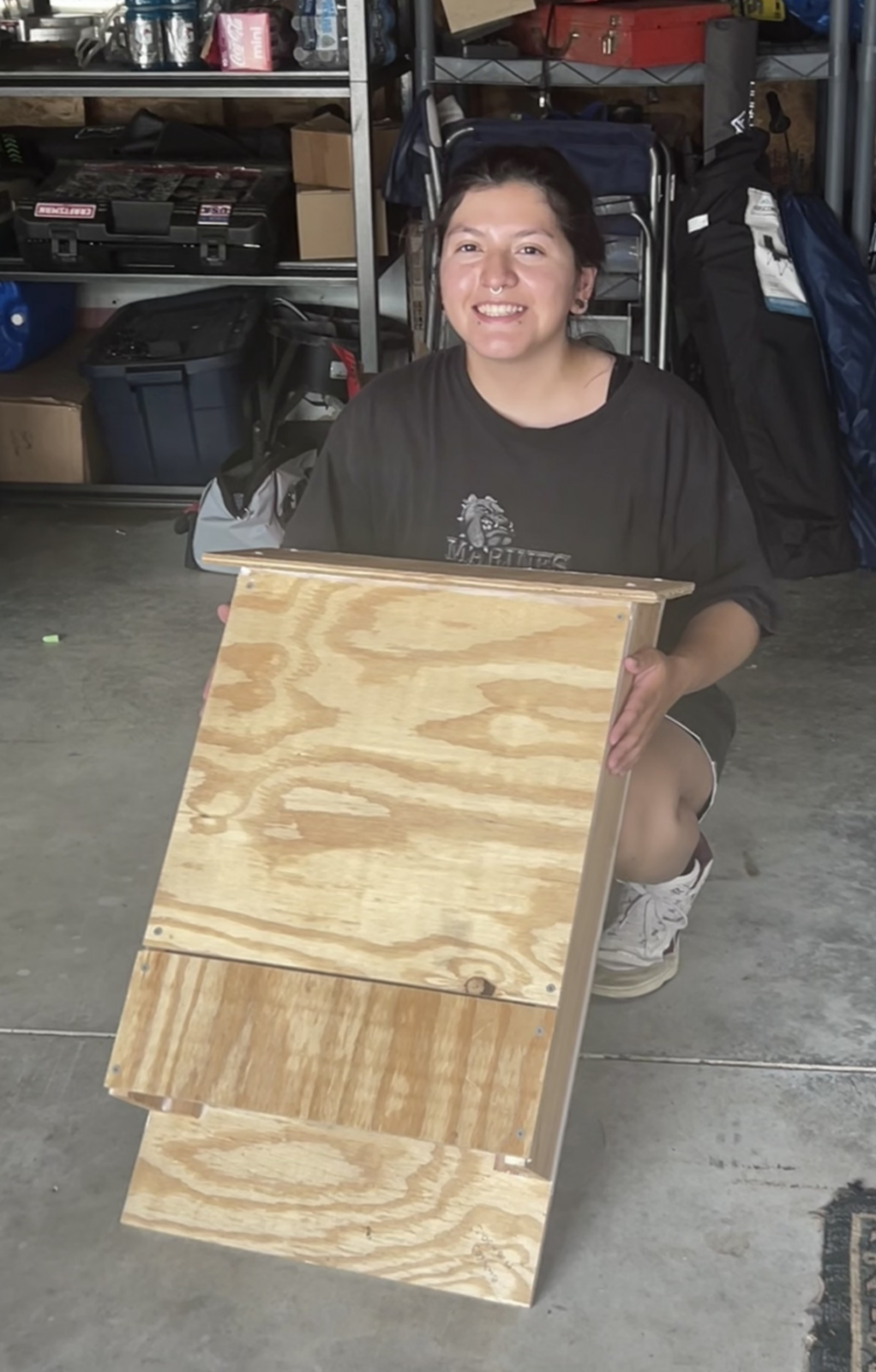
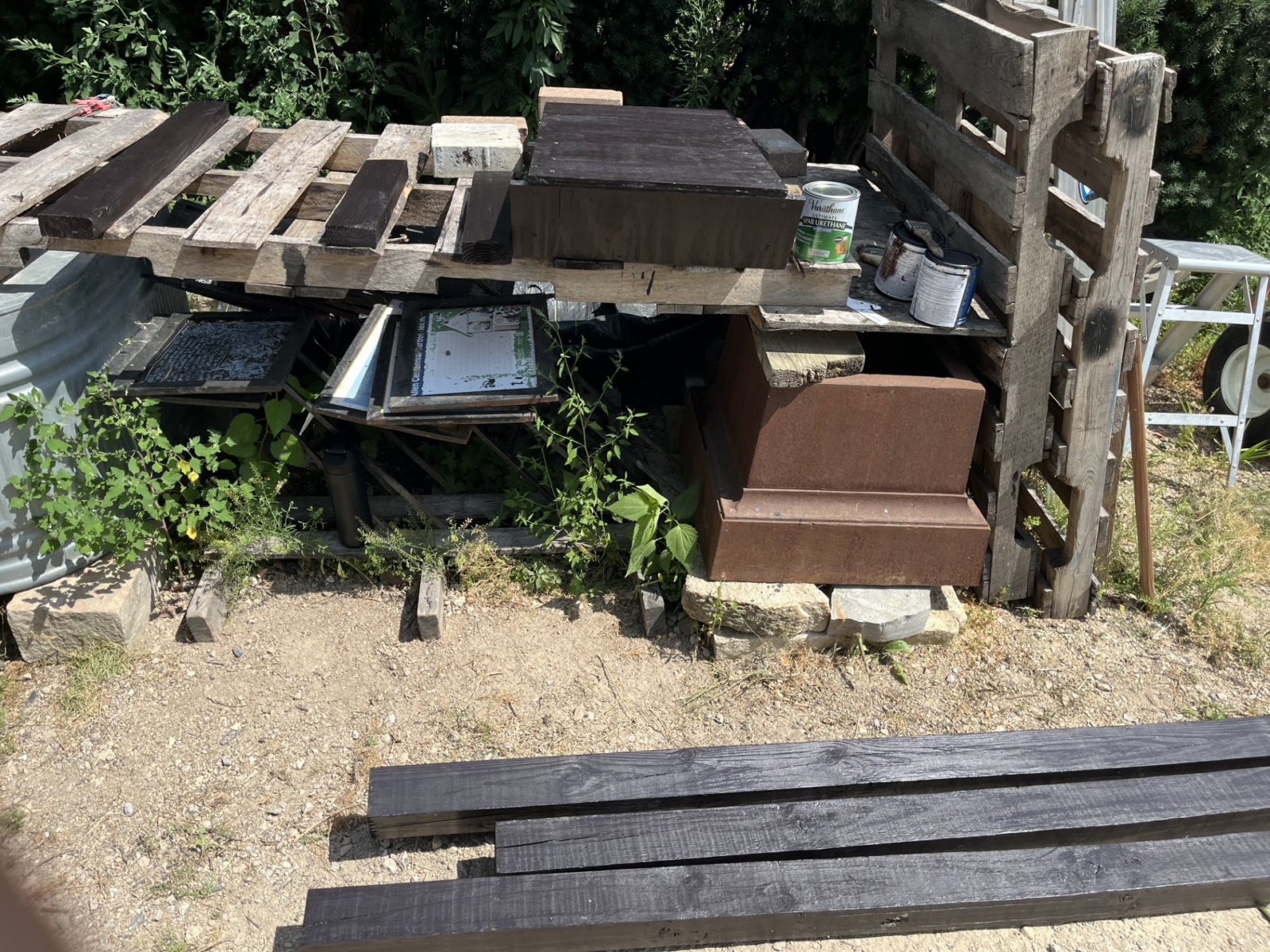
While the staining was simply a lengthy process, digging the hole was a real challenge which I could not have done on my own. With the help of the other horticulture interns, we dug a four foot deep hole in the rain. I considered this to be the best case scenario in terms of weather conditions as the rain kept us from over heating.
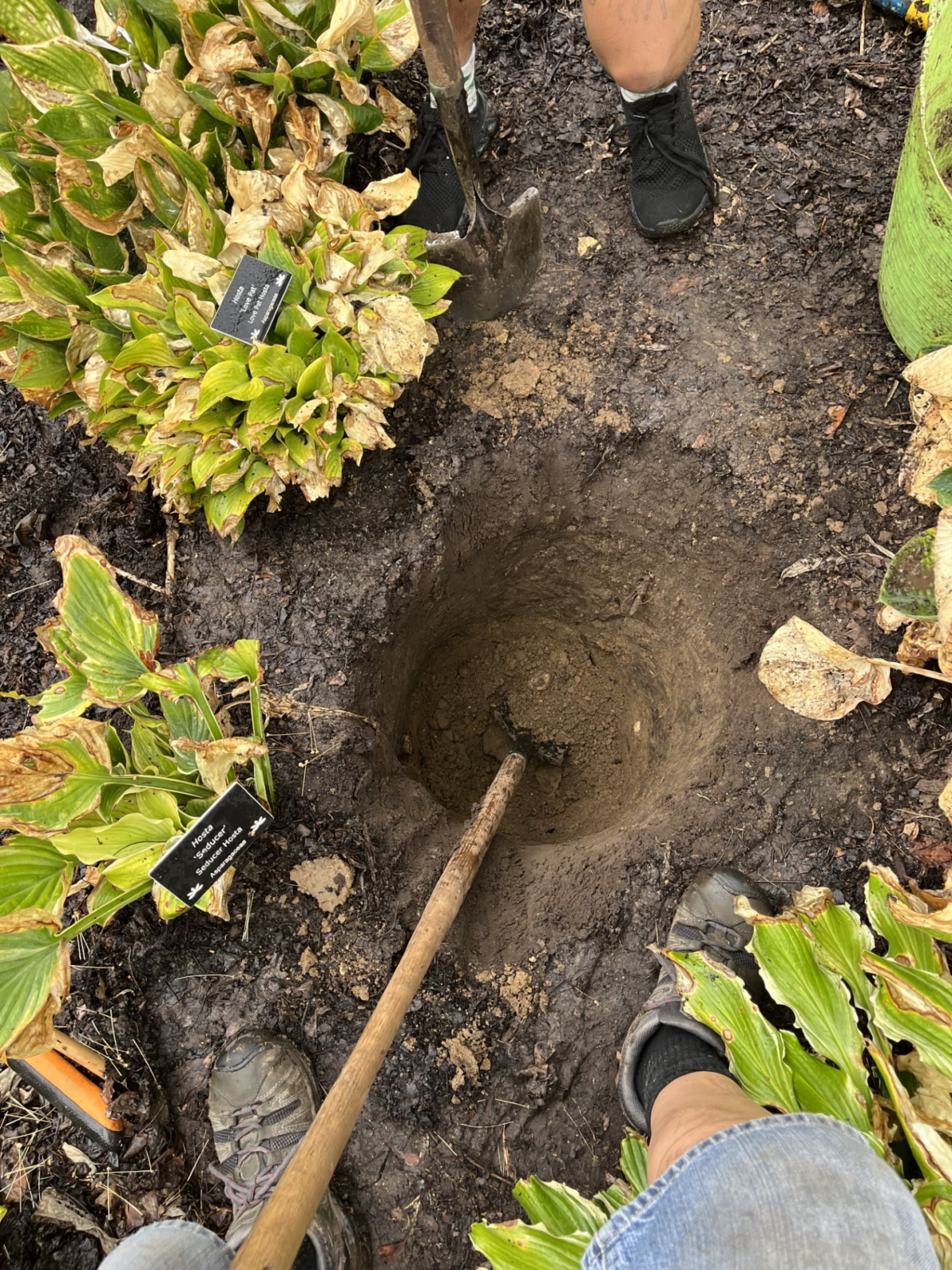
Finally, it was time to install. After securing the support posts in the ground by filling the hole around them with crushed gravel, it was time to work above ground. This process was greatly aided by last year’s volunteer of the year, Paul Tseng, who graciously offered his assistance to the cause! Together, we drilled and mounted the bat house to my base, which took us over 5 hours. And then it was done!
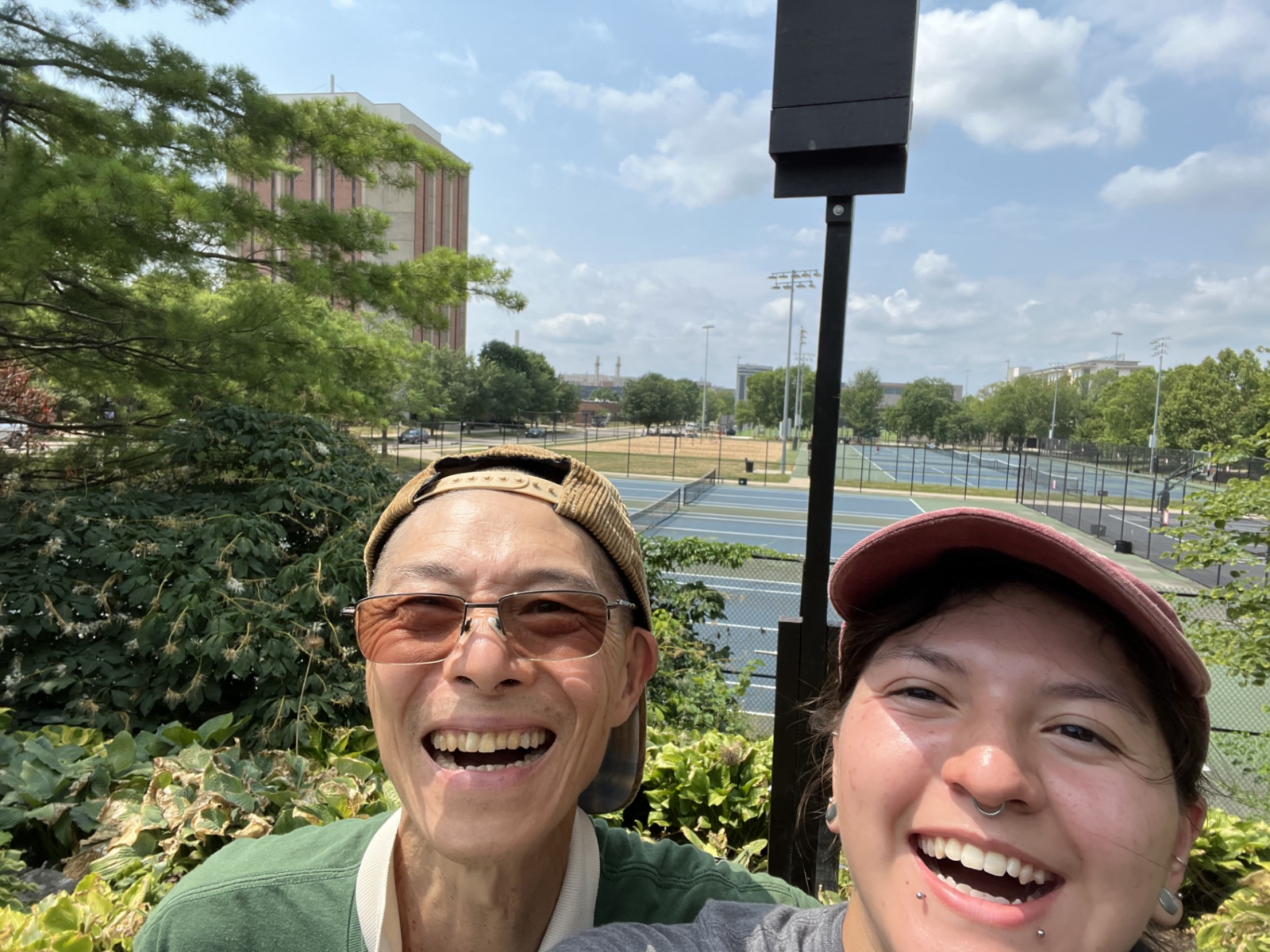
The Garden Bat Box Project has a special place in my heart. I came into this internship with high hopes for my project and I am truly elated that my vision was completed! The entire process has reminded me to have confidence in my capability to do new things. With enough passion and commitment, you can literally create something out of nothing. Much gratitude for the Allen Centennial Garden staff for their patience and support throughout the summer, and special thanks to everyone else who lent a hand!
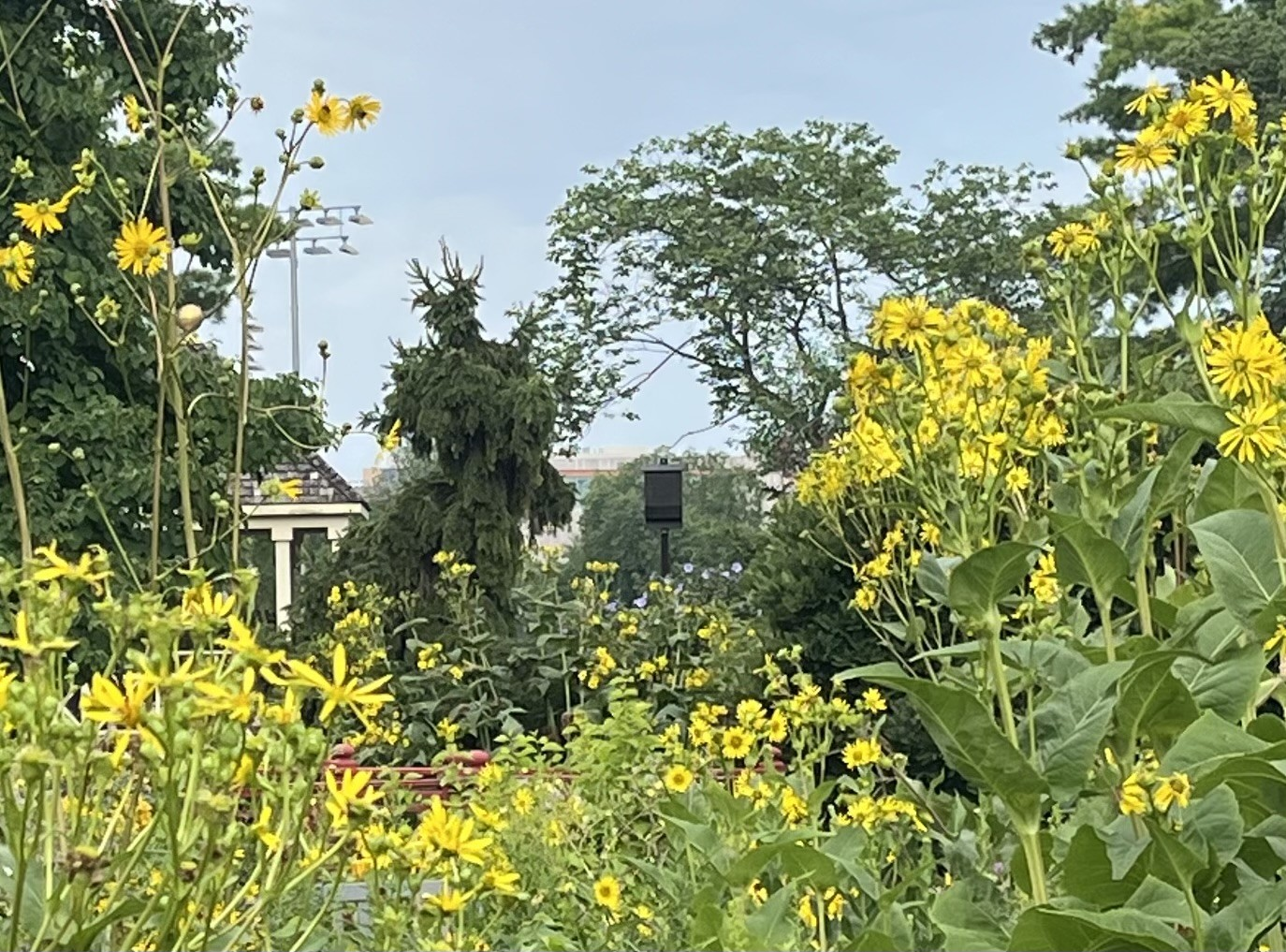
Now it’s up to the bats!